
If you are an above-ground pool owner and tried to follow advice meant for larger inground pools, you’ve probably noticed it doesn’t always apply. You’re dealing with different equipment, different structures, and (obviously) different volumes of water.
And because they’re typically seasonal, winter prep (or even full teardown) is another layer of work.
Whether you’re new and just setting up, or trying to figure out what chemicals to use, here are the basics of above-ground pool maintenance and ownership.
No Above-Ground Pool is the Same
There’s no one-size-fits-all approach, so having some general knowledge about your pool and setup will make maintenance much easier. This goes for the build as well is the pool’s liner.
An “above-ground pool” can be talking about anything from a quick-set inflatable kiddie pool to a permanent 24-foot round steel-walled setup.
Some pools are designed to last 10+ years. Others are made to be enjoyed for a single summer. And, depending on the type you own, the setup and maintenance process can look very different.
Temporary Inflatable and Blow-Up Pools
These are your soft-sided, quick-fill pools like the popular Intex Easy Set that are filled with air. They’re great for small kids, easy to drain, and some don’t even have a pump or filter system.
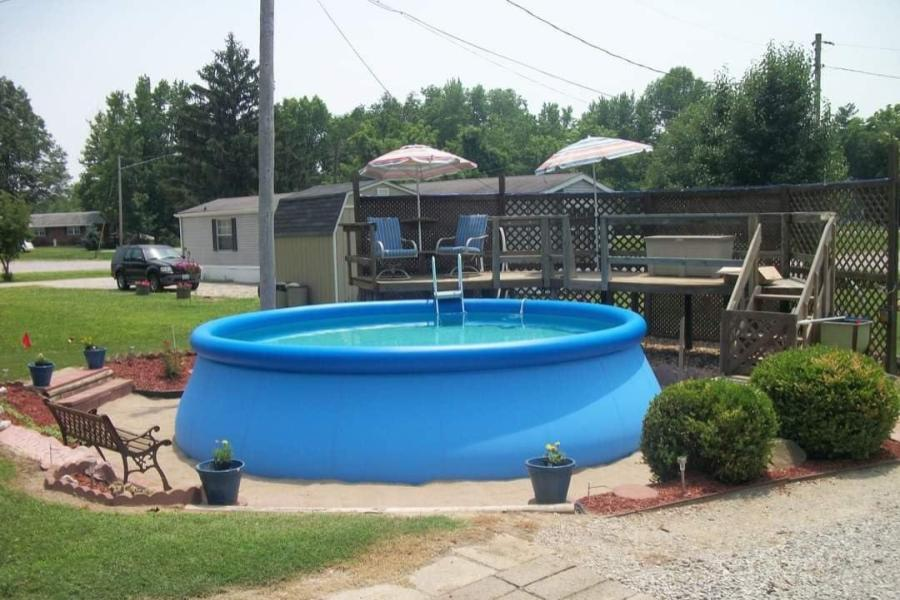
Due to their build, these types of pools are typically deflated and stored away for the winter.
Since some don’t have proper filtration, they usually need to be emptied frequently or upgraded with a basic pump to keep the water moving.
Framed Pools
These above-ground pools have a soft vinyl liner propped up by a frame often made of steel, aluminum, resin, or a hybrid of each.
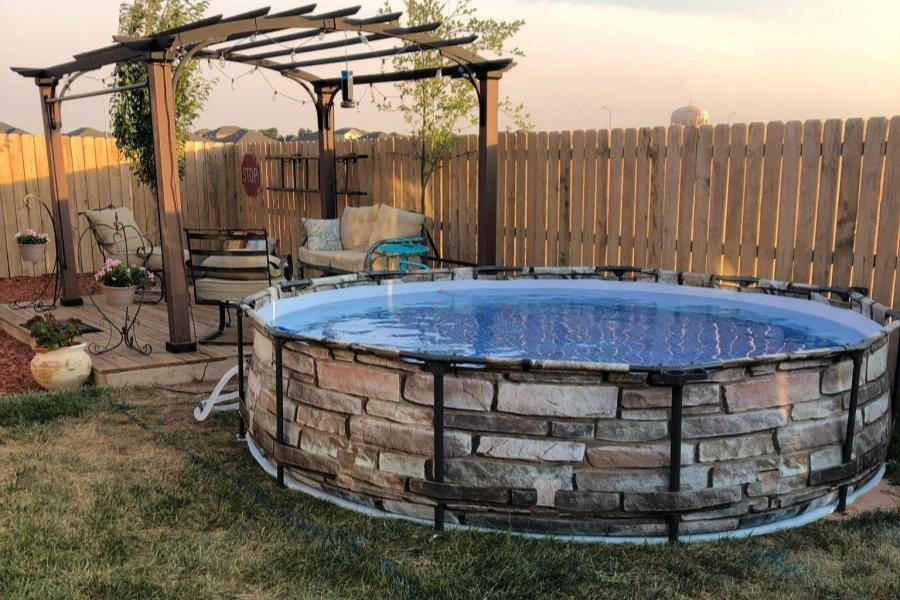
They come in many different shapes and range in sizes from small backyard setups to full 24-foot giants. Most include a pump and filter system, and proper water chemistry becomes essential once you’re in this category.
- Steel frames are the strongest and most sturdy, but may rust over time.
- Resin frames resist corrosion and heat better,r but can be a more expensive upfront cost.
- Hybrid models blend both for durability and value.
While there are some that can stay up year-round, most of these pools are taken down and stored away for the winter.
Permanent Above-Ground Pools
These are by far the most durable above-ground pools, often with corrugated steel or aluminum walls and a heavy-duty liner.
Since these are part of your backyard year-round, a lot of them can be “buttoned up” with decking and landscaping. These pools function more like inground pools, with full pump and filter systems, plumbing, and skimmers.
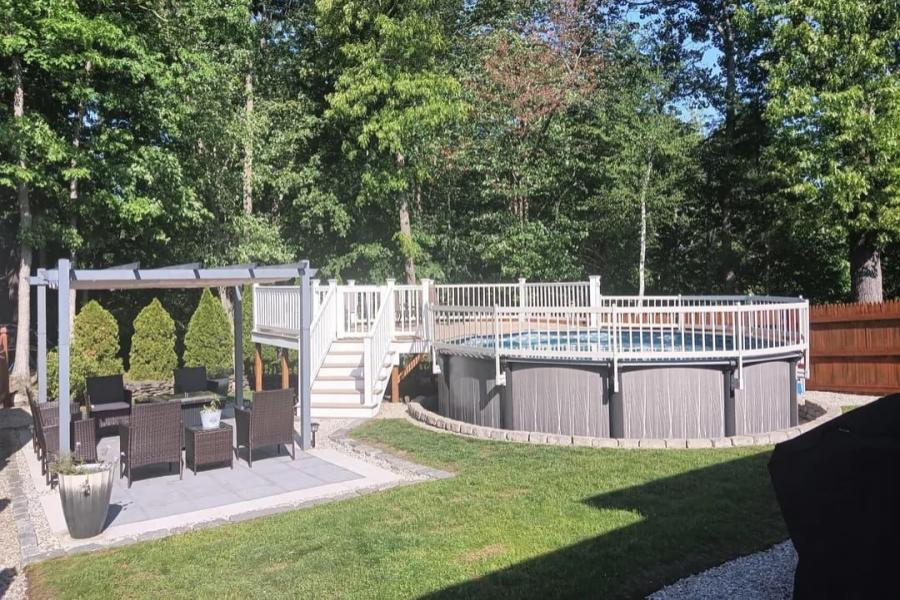
They are made to survive winters and can withstand some pretty harsh conditions. This will also mean properly winterizing and closing the pool so nothing is damaged during the offseason.
Basic Above-Ground Pool Maintenance Tips
Every pool owner should understand the basics of pool maintenance. It’s one of the best ways to save money, avoid future issues, and keep your water clean and trouble-free.
Your Pool Should be on Level Ground. No Exceptions
Setting up an above-ground pool isn’t too difficult, but a few smart moves now will save you a ton of headaches and money later.
Base preparation for your above-ground pool is a must. Your pool’s integrity and durability all depend on the preparation of the floor it sits on.
First, no matter the pool you have, always make sure your ground is level. No, not close to level. It needs to be completely flat. A few inches off on one side might not seem like a big deal. But when you fill the pool, it’s way more susceptible to collapsing and causing damage.

Water Chemistry: Keeping Your Pool Balanced
A crucial part of general maintenance is testing your pool’s water on an ongoing basis. Without testing, you don’t have a good idea of how healthy your water truly is.
A pool testing kit is needed to know your water chemistry and adjust the chemicals as needed.
In general, your pool is only as good as its water. Not only does balanced water keep your pool clean and healthy, but it also provides a safe environment for swimming.

Above-Ground Pool Cleaning – Keeping it Spotless!
Chemistry is just one part of keeping the pool clean. It also needs actual scrubbing and vacuuming. A routine pool cleaning schedule should be maintained for brushing, vacuuming, and skimming the water surface.
Brushing can help keep your liner looking clean and even prolong its lifespan. Vacuuming will help get rid of all the organic debris and contaminants on the floor to keep it spotless.
For the more automated owners, there are robotic pool vacuums specifically for above-ground pools that can do all the heavy lifting for you!
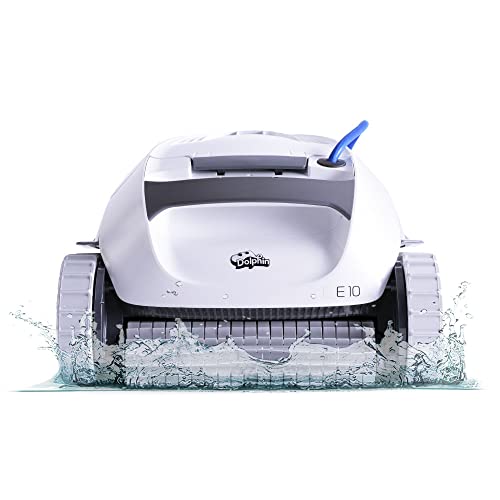
Plug it in, drop it into the pool, and power on for a spotless pool in 1.5 hours.
Keep Water Circulating
Water circulation and filtration are the backbone of your pool. It’s what keeps your water moving and clean. Strong circulation alone can prevent many common water issues.
Above-ground pools have different options when it comes to the pump and filter. While many pools have a combo, you can also get standalone filters and pumps depending on your pool’s size and needs.
Choosing the right pool pump and filter is almost as important as the equipment itself.
Regular filter cleaning is a must. A clogged filter restricts water flow and allows organic matter to build up.
Depending on your filter type, this means backwashing a sand or DE filter or rinsing a cartridge filter a couple of times per season.
Create A Maintenance Schedule and Follow it
Make yourself a basic checklist of items to check on a weekly or monthly basis. This not only keeps you up to speed on what needs to be done, it’s also handy if you go on vacation or need someone else to check on it for a few days.
A pool testing schedule will help keep your water balanced. Try to write down every time you test to monitor how your water changes week-to-week. (note: plenty of apps can save your previous testing results)
Brushing and vacuuming can be done on a weekly or as-needed basis. The more you vacuum, the cleaner your pool will be!
Use Proper Storage for Pool Equipment and Supplies
Placing your supplies in a safe area helps keep them away from kids and prolongs their use.
Cleaning equipment like telescopic poles and skimmer nets can easily be stored in a pool house or shed, or clipped to the pool’s fence.
For safety, chemicals should be stored in a cool, dry place away from direct sunlight. Remember, these are chemical compounds and not all of them go well together. Read and follow all instructions on the labels for proper storage!
When the Season Ends – Closing and Winterization
If you’re pool is only temporary or you live in a climate that has freezing temperatures, you’ll most likely need to close down the pool for the winter.
This either involves simply draining, deflating, and storing, or a more involved process of draining the pipes and properly winterizing them with water still in the pool. Some hard-walled pools can even be winterized like an inground pool.
No matter the type of pool you have, offseason maintenance and knowing what to do during freezing temperatures should be something to know